
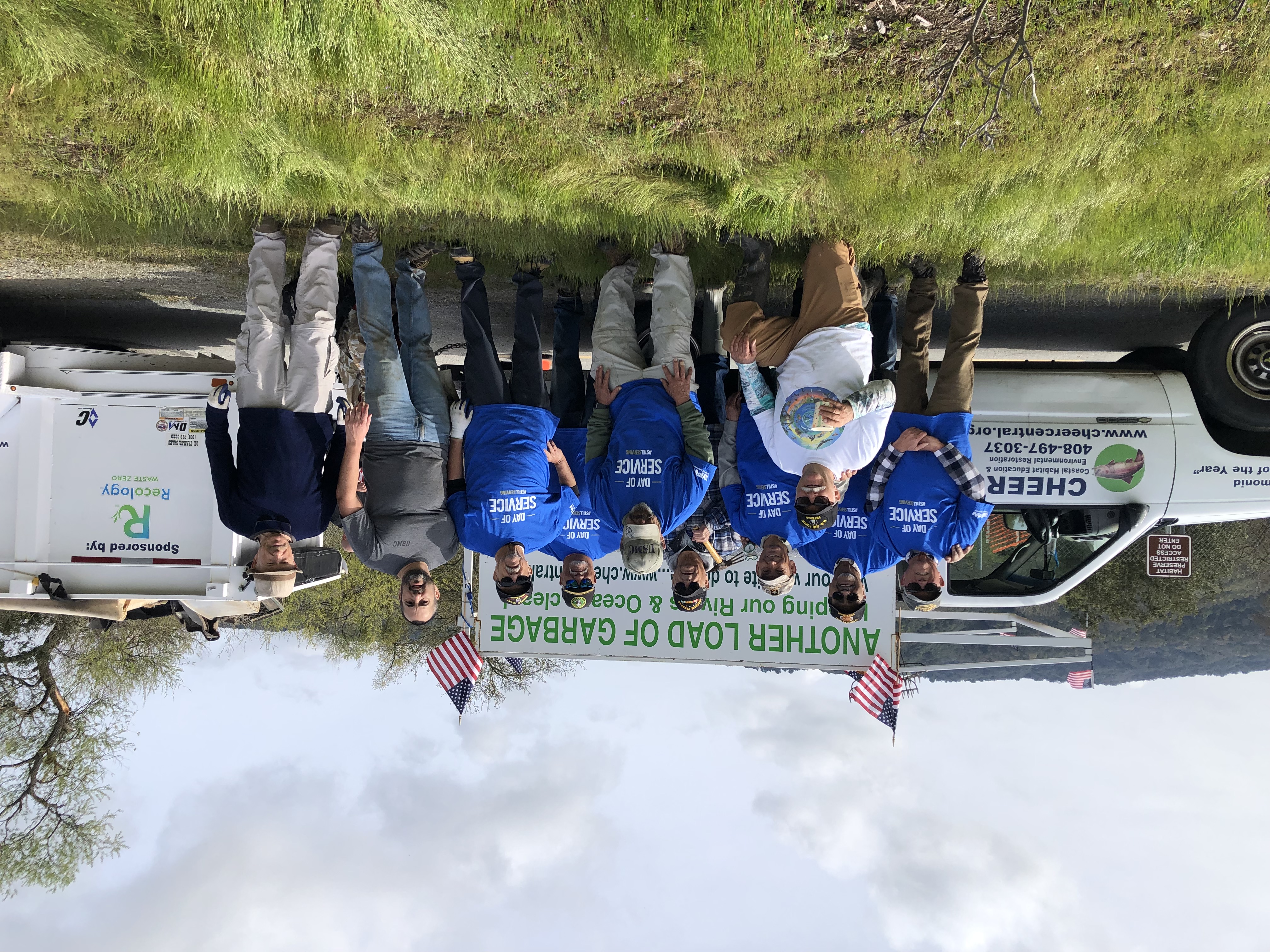
Empowering veterans and communities: A day of service with CHEER and VFW
Posted by Graniterock on Mar 26, 2024
Coastal Habitat Education and Environmental Reclamation (CHEER) organization joined forces with the Veterans of Foreign Wars (VFW) for a noble cause – a trash clean-up along Uvas Creek in Gilroy.
Read More
Read More

Bruce W. Woolpert Scholarship adds up to successful life for pro soccer player
Posted by Graniterock on Dec 20, 2023
Article from Foundation of California State University Monterey Bay
Read More
Read More
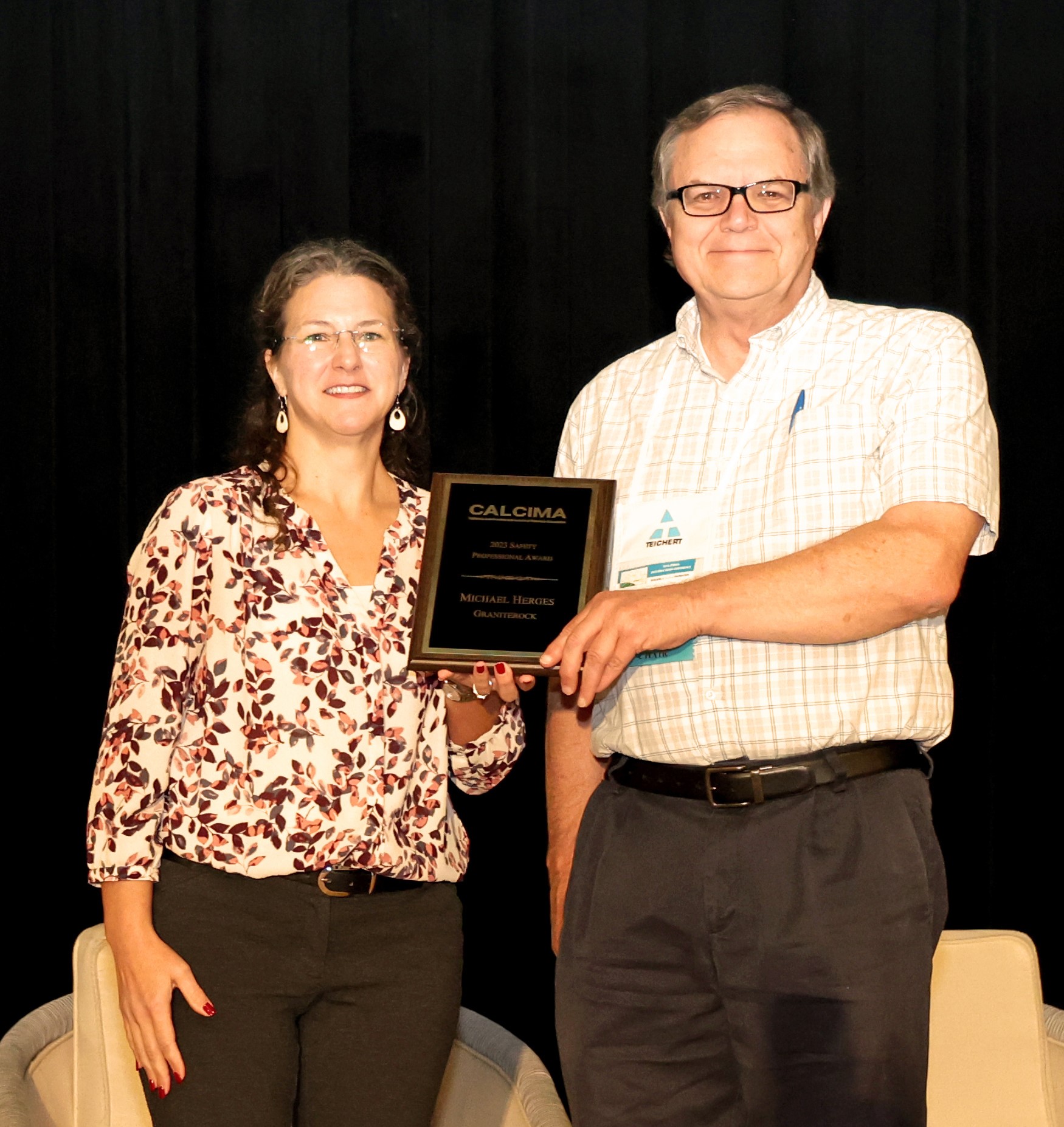
Graniterock team member receives top safety award from California industry leaders
Posted by Shanna McCord Crigger on Nov 20, 2023
When it comes to safety leadership in the construction industry, few individuals stand out like Mike Herges, Graniterock's safety director of 24 years.
Read More
Read More
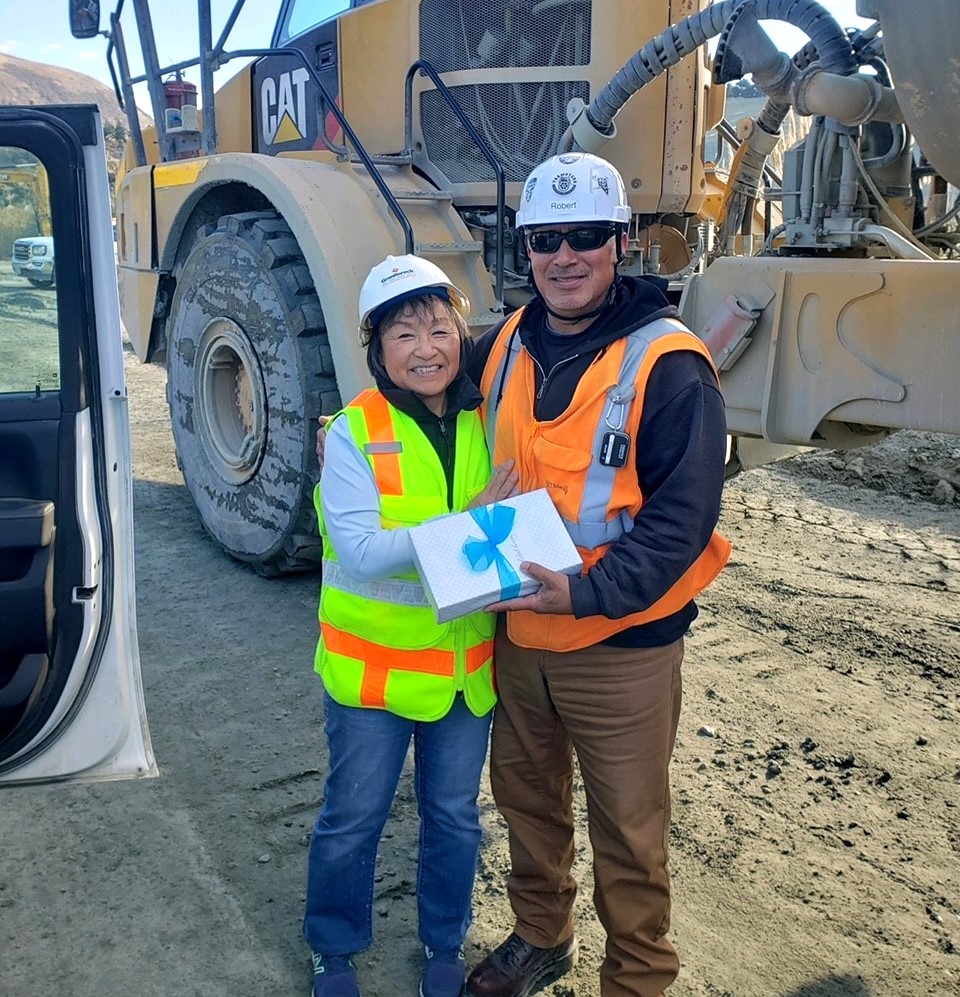
Graniterock’s assistance to firefighters sparks gratitude from Aromas community
Posted by Shanna McCord Crigger on Nov 15, 2023
Quick action by Wilson Quarry haul truck drivers helped Cal Fire firefighters get a handle on a blaze that threatened the Quarry and nearby properties.
Read More
Read More
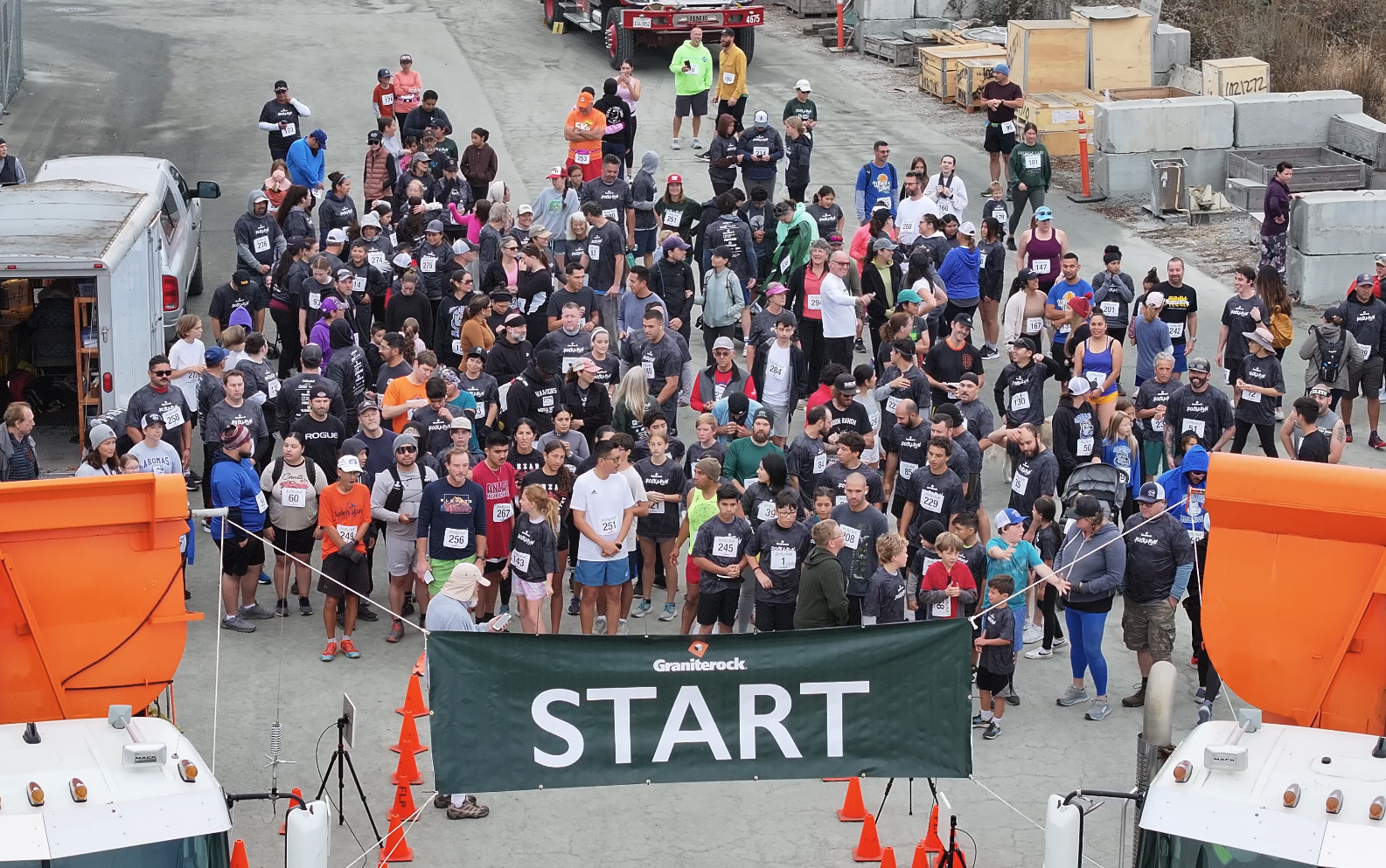
Rock N Run raises $40,000 for education and youth in our community
Posted by Keith Severson on Oct 17, 2023
Helping our community thrive!
Read More
Read More

Graniterock recognized for environmental excellence
Posted by Shanna McCord Crigger on Oct 3, 2023
Graniterock has been named Environmental Team of the Year by Mapistry, a leading software company whose mobile solutions have transformed how the Company manages environmental compliance at our quarries and materials plants.
Read More
Read More

Community fun run at Graniterock quarry in Hollister raises $17,500 for YMCA
Posted by Keith Severson on Sep 14, 2023
At Graniterock, we believe that every step we take should lead to a stronger, healthier community. That's why we're thrilled to share the news of our recent River Run event in Hollister, where we raised $17,500 in support of the YMCA of San Benito County.
Read More
Read More

20 years of producing sustainable concrete
Posted by Shanna McCord Crigger on Aug 21, 2023

Students lobby lawmakers with Graniterock rubberized asphalt
Posted by Shanna McCord Crigger on Aug 15, 2023
Washington, DC – Graniterock’s rubberized asphalt landed at the nation’s capital this summer for a pitch to lawmakers by elementary school students from southern Virginia who want to see old tires put to new use.
Read More
Read More
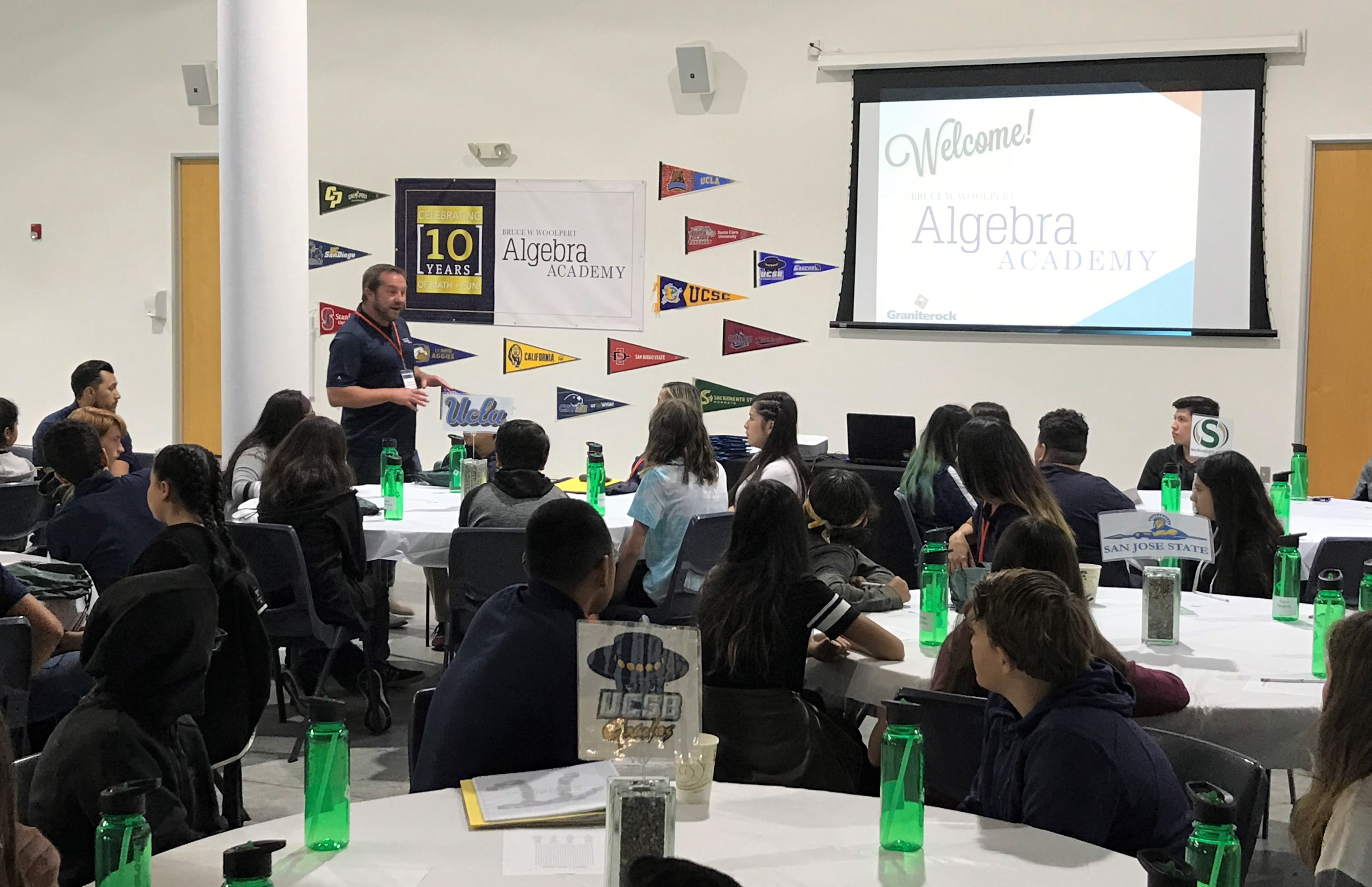
Empowering young minds in mathematics – The Bruce W. Woolpert Algebra Academy returns in-person after four years
Posted by Shanna McCord Crigger on Jul 28, 2023
Watsonville - The Bruce W. Woolpert Algebra Academy is back with renewed vigor, marking its first in-person session in four years. Scheduled to run July 31 to Aug. 4, the academy takes place at Graniterock’s headquarters and Driscoll’s Cassin Ranch facility.
Read More
Read More